Video content is no longer just a nice-to-have; it is the dominant currency of the digital world. From TikTok trends to corporate training modules, the demand for video is insatiable. However, for many creators and businesses, the barriers to entry remain high. Professional video production is expensive, hiring actors is time-consuming, and, let’s face it, camera anxiety is real.
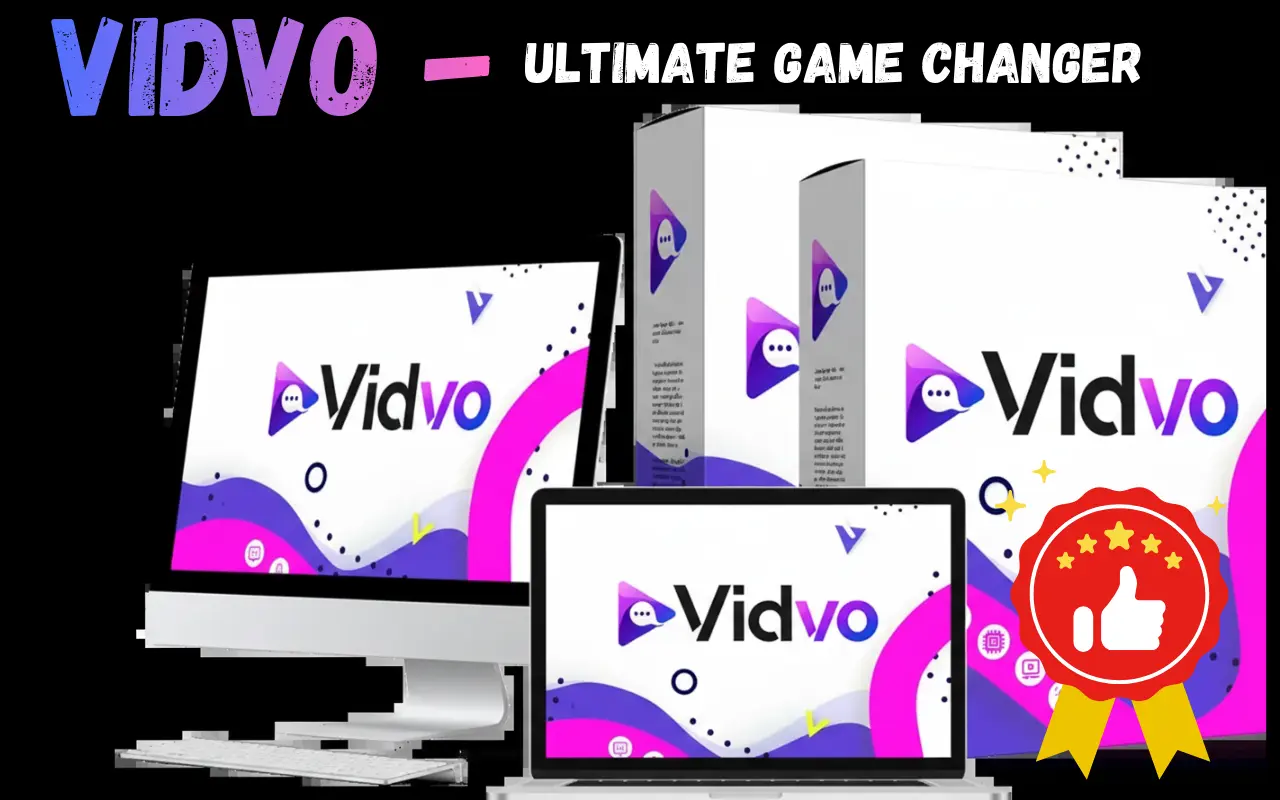
Enter Vidvo, a new AI-powered software promising to democratize video creation. It claims to turn any static photo into a realistic talking video in minutes, complete with lip-syncing and natural expressions. Perhaps most intriguingly, it launches with a one-time-fee model, challenging the subscription-heavy landscape of AI tools such as HeyGen and Synthesia.
But does it live up to the hype? In this comprehensive Vidvo review, we will dissect its features, test its claims, and help you decide if this tool is the missing link in your content strategy.

What Is Vidvo?
At its core, Vidvo is a “motion-tech” AI software designed to animate static portraits. It uses advanced algorithms to analyze facial landmarks in a photo and map them to audio or text input. The result is a video in which the subject appears to speak your script naturally.
Unlike complex video editing suites that require a steep learning curve, Vidvo is built for speed and simplicity. It targets a wide range of users—from affiliate marketers and course creators to social media influencers and small business owners—who need to produce high volumes of video content without the logistical nightmare of filming.
The software operates on a cloud-based platform, meaning there’s nothing to download or install. You upload an image, input your script (text or audio), and the AI renders the final output. The premise is simple: Upload, Generate, Publish.
Context Of Vidvo
Product Name: Vidvo
Author / Vendor: Venkateshs
Price: $16
Discount/Coupon: 20%
Recommendation: Yes
Rating: 4.7/5
Money Back Guarantee: 30 Days
Key Features and Benefits
Vidvo enters a crowded market of AI video generators. To stand out, it offers a specific set of features designed to address common pain points such as cost and complexity. Here is a deep dive into what’s under the hood.
1. Realistic Lip-Sync Technology
The holy grail of AI avatars is lip-syncing that doesn’t look like a bad dub of an old kung fu movie. Vidvo utilizes phoneme-level analysis. This means the AI breaks down your audio track into individual sounds and adjusts the photo’s mouth movements to match those sounds. The goal is to create a seamless visual experience in which the viewer focuses on the message rather than the mechanics of the mouth.
2. Natural Facial Expressions and Body Motion
A talking head that remains perfectly still from the neck down looks uncanny and robotic. Vidvo addresses this by adding “human motion technology.” This includes subtle head tilts, blinks, and slight shoulder movements that mimic natural human behavior while speaking. These micro-movements are crucial for maintaining viewer engagement and trust.
3. Multi-Language Support
In an increasingly globalized digital economy, language barriers can stifle growth. Vidvo allows you to create videos in virtually any language. You can type a script in Spanish, French, or Japanese, and the AI will animate the photo to speak that language fluently. Alternatively, you can upload a voiceover recording in any language, and the lip-sync engine will adapt accordingly. This is a game-changer for businesses looking to localize content without hiring multiple voice actors.
4. Unlimited Video Length (With a Catch)
One of Vidvo’s boldest claims is “unlimited video length.” Many competitors cap videos at 30 or 60 seconds unless you pay for expensive enterprise plans. Vidvo enables the creation of long-form content, including webinars, training modules, and detailed stories.
Note: While the marketing mentions “unlimited,” please check the specific plan limits. The front-end offer typically includes generous limits, but “true” unlimited rendering is often unlocked in higher-tier upgrades (OTOs).
5. Commercial License Included
For freelancers and agencies, this is arguably the most valuable feature. The standard access to Vidvo includes a commercial license. This means you aren’t just limited to personal projects; you can create videos for clients, sell them as a service on platforms like Fiverr or Upwork, and monetize the content directly. There are no royalties or extra fees per video sold.
6. Versatility in Source Images
Vidvo isn’t limited to human portraits. You can animate:
- Cartoons and Anime: Great for faceless YouTube channels or storytelling.
- Animals: Create “talking pet” videos for viral social media content.
- AI Avatars: Generate a unique face using an AI image generator (like Midjourney) and then bring it to life with Vidvo.
Get Access Vidvo + Bonuses + Coupon
How It Works: A Step-by-Step Guide
One of Vidvo’s primary selling points is its “3-click” simplicity. Here is precisely how the process looks for a new user:
Step 1: Upload Your Photo
You start by uploading a clear image of a face. This could be a selfie, a stock photo, or an AI-generated character. The software recommends high-quality images where the subject is facing forward for the best facial mapping results.
Step 2: Input Your Audio
You have three options here:
- Text-to-Speech: Type your script and choose from Vidvo’s library of AI voices.
- Upload Audio: Upload a pre-recorded MP3 file (your own voice or a professional voiceover).
- Record Voice: Use the built-in microphone tool to record directly into the browser.
Step 3: Generate
Once the assets are loaded, you hit the “Generate” button. The AI processes the image and audio, merging them into an MP4 file. Rendering times vary by video length, but most short clips are ready within minutes. Once done, you can download the file and share it immediately.
Use Cases: Who Is Vidvo For?
The versatility of “talking head” videos enables Vidvo to serve a range of applications across dozens of industries.
1. Affiliate and Digital Marketers
If you are promoting products but don’t want to show your face, Vidvo is an ideal solution. You can create a professional-looking AI spokesperson to review products, explain features, or deliver a sales pitch. This builds authority more effectively than text-only slides.
2. E-Learning and Course Creators
Update your course material without re-filming. If you have a PowerPoint presentation, you can add a Vidvo avatar in the corner to narrate the slides. It adds a human element to online learning, which has been shown to increase student retention.
3. Social Media Influencers (Faceless Channels)
“Faceless” YouTube and TikTok channels are a massive trend. Creators are building empires using stock footage and voice-overs. Vidvo takes this a step further by allowing creators to invent a “character” or mascot to represent their channel, giving the brand a consistent face without sacrificing the creator’s privacy.
4. Local Agencies
Small businesses (dentists, real estate agents, restaurants) know they need video but lack the budget for production crews. An agency equipped with Vidvo could offer “Introduction Videos” or “FAQ Videos” for local clients’ websites at a fraction of the usual cost, while maintaining high profit margins.
Experience The Difference. Order Now! Join the Masterclass – Standard Access
Pricing and Value Analysis
This is where Vidvo diverges significantly from the competition.
The Current Market Standard:
Tools like HeyGen, Synthesia, or D-ID operate on a SaaS (Software as a Service) model. You typically pay a monthly subscription fee ranging from $30 to over $100, often with strict limits on the number of video minutes you can generate.
The Vidvo Model:
Vidvo is launching with a low one-time fee (approx. $16-$17 during the launch period). This grants you lifetime access to the core software with no recurring monthly billing.
Is it too good to be true?
Usually, one-time-fee software includes upsells (OTOs). With Vidvo, the front-end price gets you the functional software, but power users might need to purchase upgrades for things like:
- Unlimited Edition: To remove caps on daily rendering or video length.
- Agency Edition: To add sub-users or manage client accounts.
- DFY (Done For You) Templates: Pre-made scripts and avatars.
Even with the upsells, the total cost is generally significantly lower than a competitor’s annual subscription. For budget-conscious creators, the value proposition is undeniable.
Get Access Vidvo + Bonuses + Coupon
Customer Reviews and Feedback
Since Vidvo is a newer entrant to the market, early adopter feedback is crucial. Here is a summary of sentiments from beta testers and early users:
The Positives:
- “Speed is incredible.” Users consistently mention how quickly it goes from idea to MP4. Removing the “filming” bottleneck is the biggest win.
- “Great for non-native speakers.” Users who aren’t confident in their English pronunciation love using the text-to-speech feature to create fluent English content for international markets.
- “The lips actually match.” Early reviews praise the lip-syncing quality, noting it is a step up from older “wobbly mouth” animation tools.
The Critiques:
- “Voices can sound robotic.” While the animation is good, some of the stock text-to-speech voices can sound generic. Users recommend uploading your own voice or using a premium voice cloner (like ElevenLabs) for the best results.
- “Motion limits.” While the head moves, the avatars cannot walk around or use hand gestures as extensively as a 3D-animated character might. It is strictly a “talking head” format.
Make $1000 In A Sale ($10K/Month) Check Now
Pros and Cons
To provide a balanced perspective, here is a breakdown of Vidvo’s strengths and weaknesses.
Pros
- Cost-Effective: The one-time payment model outperforms expensive monthly subscriptions.
- No technical skills required: If you can upload a photo, you can use this tool.
- Privacy-Friendly: Allows you to create personal content without putting your face on camera.
- Commercial Rights: Enables immediate monetization opportunities for freelancers.
- Cloud-Based: Works on Mac, PC, and even tablets without slowing down your device.
Cons
- Upsell Structure: To get “unlimited” access, you will likely need to purchase an upgrade (OTO), which will increase the initial price.
- Static Body: The tool animates the face well, but do not expect full-body animation or complex hand gestures.
- Dependent on Source Photo: Output quality is heavily dependent on the input photo. Low-res or side-profile photos produce poor results.
SEO Optimization for Your Vidvo Videos
Creating the video is only half the battle; getting it seen is the other. Since Vidvo helps you generate content quickly, you can focus more time on SEO. Here are three tips to rank your Vidvo videos:
- Transcripts are Key: YouTube and Google cannot “watch” your video, but they can read. Always upload a transcript (SRT file) of your video. Since you likely used a script to create the Vidvo video, you already have this text ready!
- Keyword-Rich Titles: If you create an FAQ video for a local plumber using Vidvo, do not title it “Video 1.” Title it “How to Fix a Leaking Tap – [City Name] Plumber.”
- Engaging Thumbnails: Even though the video is AI, your thumbnail should be custom. Use a screenshot of your Vidvo avatar with a surprised or happy expression (you can generate this in the tool) and overlay bold, high-contrast text.
Conclusion: Is Vidvo Right for You?
Vidvo represents a significant shift in the AI video landscape. It moves technology from the hands of high-end enterprise users to those of everyday creators.
If you are a Hollywood producer looking for CGI-level perfection, this isn’t for you. However, if you are a marketer, entrepreneur, or content creator looking to scale your video output, save thousands on production costs, and bypass the anxiety of being on camera, Vidvo is a “no-brainer” investment.
The lip-syncing is solid, the interface is intuitive, and the one-time pricing model is a rare find in the SaaS world. For the price of a takeout lunch, you get a tool that can essentially clone you (or anyone else) and work 24/7.
Final Verdict: Highly Recommended for beginners and intermediate marketers looking to leverage video automation.
Get Access Vidvo + Bonuses + Coupon